
Emergency Vet Services in Herriman, UT
Open Weekdays: 7am to 9pm
Open Weekends: 7am to 7pm
Holidays included
Call: (801) 214-0085
Address: 12121 Herriman Main St
Herriman, UT 84096
When your dog or cat is suddenly sick, injured or acting unlike themselves, you want an emergency vet near you who can see them quickly and explain what’s happening. Herriman Pet Vet & Emergency Hospital is an emergency animal hospital in Herriman, UT, open on weekdays from 7am to 9pm and weekends from 7am to 7pm, with on-site digital X-ray, ultrasound and an in-house lab. We provide pet urgent care and emergency care for dogs and cats whose problems can’t wait for a regular appointment.
Our team focuses on evaluating your pet quickly, relieving pain, stabilizing them when needed, and explaining each step in plain language. Emergencies are stressful, and we work to bring calm, focused care to a hard moment. Not sure whether your pet’s problem counts as an emergency? Call us at (801) 214-0085 and describe what you’re seeing. We’ll help you decide what to do next.
We treat dogs and cats. We’re not able to see exotic pets, birds, reptiles or farm animals.
When Should You Take Your Pet to an Emergency Vet?
Pets can’t tell us where it hurts, and many animals hide pain until a problem becomes serious. Sudden changes in breathing, appetite, mobility, energy or behavior deserve attention, especially when symptoms are severe, getting worse, or very different from your pet’s normal routine.
Some problems are urgent even when they don’t look dramatic at first. Seeing an emergency vet sooner helps us find the cause, manage pain, and decide whether your pet needs immediate treatment, testing, monitoring or surgery.
Signs your dog or cat may need urgent care or an emergency vet:
- Difficulty breathing, open-mouth breathing in cats, or unusual effort to breathe
- Collapse, sudden weakness or extreme lethargy
- Repeated vomiting or severe diarrhea, especially with blood
- A bloated, hard or painful abdomen, or unproductive retching
- Straining to urinate, or crying while trying to urinate (especially in male cats)
- Seizures, loss of balance, or sudden behavior changes
- Open wounds, uncontrolled bleeding or injuries from a fall, bite or car accident
- Significant limping, or being unable to stand or walk normally
- Eye injuries, squinting or a suddenly cloudy eye
- Suspected ingestion of a toxin, medication, foreign object or something your pet shouldn’t have eaten
- Pale or blue gums, or signs of heatstroke such as heavy panting, drooling and weakness
- Refusal to eat or drink, or severe pain you can’t explain
- Any situation in which your pet looks seriously distressed
If you’re unsure whether it’s an emergency, call us at (801) 214-0085 and tell us what you’re seeing. Our team can help you decide whether to come in right away and what to do before you arrive. When you’re deciding between waiting for a regular vet appointment and heading to an emergency animal hospital, it is safer to call us and ask.
What to Do Before You Arrive at Our Emergency Vet
A few steps can make your visit smoother and safer for your pet:
- Call ahead at (801) 214-0085. Tell us your pet’s species, age, symptoms and when they started. We can give you guidance and prepare for your arrival.
- Stay calm and keep your pet quiet. Frightened or injured pets can bite or scratch, even those who are normally gentle. Use a carrier for cats and small dogs, and a leash for others.
- Bring what you can. That includes any medication your pet takes, the packaging or a photo of anything they may have eaten, and a note on how much and when.
- Don’t give human medications. Ibuprofen, acetaminophen and similar drugs can be dangerous for dogs and cats.
- Don’t make your pet vomit unless we tell you to. Some substances cause more harm coming back up.
- Control bleeding gently. Hold a clean cloth over the wound with light pressure while you travel.
- Move large or injured pets carefully. For a suspected back, neck or leg injury, slide a blanket or board under your pet and have another person help lift if possible.
- Ask us about food and water. If your pet might need anesthesia, we may ask you to hold off.
If you can’t reach us and your pet is struggling to breathe, collapsed or bleeding heavily, head to the nearest emergency hospital.
Fast Evaluation, Pain Relief and Stabilization
Emergency veterinary medicine starts with deciding which problems need attention first. When an urgent patient arrives, our team looks at breathing, circulation, pain, responsiveness, hydration and the symptoms that brought you in. Some pets need stabilizing before we do anything else. Others are steady enough for a full exam right away. We tailor the process to your pet instead of treating every emergency visit the same.
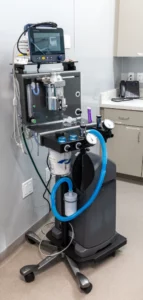
When a pet arrives in significant distress, our first goal is to make them medically stable and as comfortable as possible. Depending on the situation, that may include pain relief, IV fluids, oxygen support, CPR, medications, wound care or other treatment based on what your pet needs.
Once the most urgent concerns are under control, we move to diagnostics and a treatment plan. This step-by-step approach addresses the most serious risks first, without unnecessary delays.
Throughout the visit, we explain what we’re seeing, which tests we recommend and why, and what we’re watching for as your pet responds. When you understand the reasoning behind each step, it’s easier to make decisions about your pet’s care during a stressful time.
On-Site X-Ray, Ultrasound and Lab: Answers Without the Drive
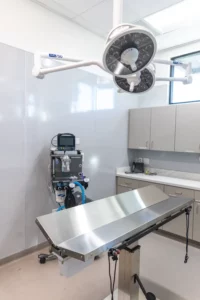
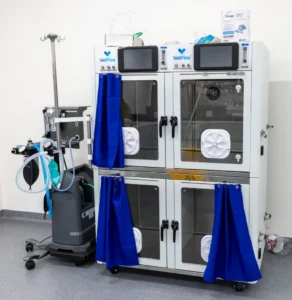
A physical exam tells us a lot, but many emergencies need a closer look. Our emergency vet hospital in Herriman has digital X-ray, ultrasound and lab testing on site, so in many cases we can find the cause of your pet’s problem without sending you across the Salt Lake Valley to another facility.
| Test | What it helps us find |
|---|---|
| In-house lab and bloodwork | Infection, organ function, dehydration, toxin effects, blood sugar and clotting problems |
| Digital X-ray | Broken bones, swallowed objects, bloat, fluid in the chest, breathing problems |
| Ultrasound | Internal bleeding, abdominal pain, foreign bodies, bladder and kidney problems, pregnancy complications |
X-rays typically take 1 to 2 hours, and abdominal ultrasound results can take up to 24 hours.
We recommend imaging and tests based on your pet’s symptoms, exam findings and history, not as a routine package. Some scans require sedation or anesthesia, and we’ll explain what to expect and what it costs before we begin. Having these tools in one hospital helps us move from symptoms to answers faster, and keeps you informed along the way.
Emergencies We Treat, Including Toxin Ingestion
Common emergencies we see
- Vomiting, diarrhea and dehydration
- Swallowed foreign objects and suspected intestinal blockage
- Toxin and medication ingestion
- Wounds, bite injuries and trauma
- Fractures
- Breathing trouble and heatstroke
- Seizures and sudden neurological changes
- Urinary blockages, especially in male cats
- Eye injuries
- Foxtail injuries
- Severe allergic reactions and insect or snake bites
When your dog or cat ate something they shouldn’t have
Call us right away, even if your pet seems fine. Some toxins take hours to cause symptoms, and treatment works best early. Bring the packaging, and tell us what was eaten, how much and when.
| What was eaten | Why it matters |
|---|---|
| Chocolate | Dark chocolate and baking chocolate are the most dangerous. The risk depends on the amount and your pet’s weight. |
| Xylitol (sugar-free gum, candy, some peanut butters) | Can cause a dangerous drop in blood sugar and liver damage, sometimes within an hour. |
| Grapes and raisins | Can cause kidney failure in some dogs, even in small amounts. |
| Rat poison | Can cause internal bleeding that doesn’t show up for days. Bring the box. |
| Human medications and cannabis edibles | Can cause serious, even life-threatening effects at low doses. |
Don’t induce vomiting at home unless a veterinarian tells you to. You can also reach the ASPCA Animal Poison Control Center at (888) 426-4435 or the Pet Poison Helpline at (855) 764-7661. Both may charge a consultation fee.
If Your Pet Needs Help After Hours
Our emergency animal hospital in Herriman is open weekdays 7am to 9pm and weekends 7am to 7pm, holidays included. We are not open overnight, so we are not a 24 hour emergency vet.
If your pet’s problem starts after we close, don’t wait until morning when your pet is struggling to breathe, collapsed, bleeding heavily or having a seizure. Call us at (801) 214-0085 and our after-hours message will direct you to VEG, an overnight emergency hospital. During open hours, our front desk is happy to give you a referral by phone, including other 24 hour hospitals in the valley.
For problems that begin during the day, call us early. Waiting until evening can mean a more serious problem and a harder night for your pet.
Common Pet Emergencies in Herriman and the Salt Lake Valley
Living at the foot of the Oquirrh Mountains means pets in Herriman, Riverton and Bluffdale spend a lot of time on trails, in open space and around changing seasons. Some of the emergencies we expect to see:
Rattlesnake bites and wildlife encounters. Dogs that explore the foothills and trails on the west side of the valley can run into rattlesnakes, especially in warm months. If your dog is bitten, keep them as calm and still as possible, don’t try to cut or suck the wound, and call us on the way. Bites cause rapid swelling and can become life-threatening. We stock antivenom, but our supply is limited, and for severe envenomations we may need to refer you.
Foxtails. These grass seeds can work into ears, noses, eyes and paws. Head shaking, squinting or a swollen paw after time in dry grass is a reason to call us.
Fireworks and holiday escapes. Fourth of July and Pioneer Day fireworks send many dogs running, and frightened pets can end up with cuts, broken bones or car-accident injuries. Keep ID tags and microchip details current, and call us if your pet comes home injured.
Summer heat. Hot sidewalks, parked cars and long afternoon hikes make heatstroke a real risk. Heavy panting, drooling, vomiting, weakness or collapse need immediate attention.
Cold-weather hazards. Antifreeze (ethylene glycol) tastes sweet to pets and is extremely toxic, and ice melt can irritate paws and upset stomachs. If your pet may have licked antifreeze, treat it as an emergency and call us right away.
Bites and fights. Dog fights at parks and encounters with coyotes or other wildlife can cause wounds that look minor but hide deeper damage.
Emergency Vet Costs in Herriman: What to Expect
We know an emergency vet visit can raise two worries at once: your pet’s health and the cost. Our goal is to be clear about both.
- Emergency exam fee: See our Transparent Pricing Page or Call
- Estimates before treatment: we explain recommended tests and treatments, give you a written estimate, and talk through options before we begin, whenever your pet is stable enough to allow it.
- Payment options: we offer CareCredit financing.
- Costs vary by case: imaging, hospitalization, surgery and overnight monitoring change the total, and we’ll tell you why we recommend each step.
You can see more about our service pricing here, and our team is happy to answer cost questions when you call at (801) 214-0085.
Emergency Vet Care for Southwest Salt Lake County
Having an emergency vet near you matters when your pet is hurting or getting sicker quickly. Herriman Pet Vet & Emergency Hospital is in Herriman, UT 84096, and our emergency animal hospital serves pet owners from Herriman, Riverton, South Jordan (including Daybreak), Bluffdale, Lark, Copperton and nearby parts of West Jordan and the southwest Salt Lake Valley. Whether your pet gets sick at home, hurt on a trail near the Oquirrh foothills, or suddenly develops symptoms you’ve never seen, our goal is to give you clear medical support and a path forward without a long drive across the valley.
| Community | Approximate drive time to our hospital |
|---|---|
| Herriman | 5 minutes |
| Riverton | 13 minutes |
| South Jordan (including Daybreak) | 15 minutes |
| Bluffdale | 14 minutes |
| West Jordan | 17 minutes |
| Lark and Copperton | 12 minutes |
Care That Continues After the Emergency
Urgent treatment is often just the start of recovery. Depending on the diagnosis, your dog or cat may need medications, activity restrictions, diet changes, rechecks, follow-up imaging, wound care or continued monitoring.
Because we’re a full-service animal hospital, we can help many patients move from emergency treatment into ongoing care, including wellness exams, vaccines, dental care, surgery and more. If we’re not your regular vet, we’ll send records to your family veterinarian on request. If you don’t have one yet, we’d be glad to welcome you as a new client. Keeping the bigger picture in view means your pet’s emergency isn’t an isolated event with no plan for what happens next.
Emergency Vet FAQs
Herriman Pet Vet & Emergency Hospital is open weekdays 7am to 9pm and weekends 7am to 7pm, and we’re open on holidays too. If you’re in Herriman, Riverton, South Jordan, Bluffdale, Lark or Copperton and your dog or cat needs urgent care, call (801) 214-0085 on your way so our team can prepare for your arrival.
We’re not open overnight. If your pet’s emergency happens after we close, call (801) 214-0085 and our after-hours message will direct you to VEG, an overnight emergency hospital. During open hours, our front desk is happy to give you a referral by phone, including other 24 hour hospitals in the valley. For symptoms that start during the day, call us early. It’s safer for your pet, and we can see them while our full team and equipment are here.
You can walk in anytime during our posted hours. Calling ahead at (801) 214-0085 helps us prepare, gives you guidance on what to do before you arrive, and lets us tell you about wait times. If your pet is struggling to breathe, collapsed or bleeding heavily, come in right away and call on the way.
Sudden or worsening symptoms, such as trouble breathing, repeated vomiting, collapse, severe pain, a swollen abdomen, seizures or a suspected toxin, are reasons to come in the same day. Mild, stable concerns can often wait for a regular appointment. If you’re not sure, call us and describe what you’re seeing, and we’ll help you decide.
Cats hide illness well, so subtle changes matter. Open-mouth breathing, straining in the litter box (especially in male cats), repeated vomiting, hiding with no interest in food, sudden weakness or collapse are all reasons to call us right away. A blocked bladder can become life-threatening within a day or two.
Yes. Along with an in-house lab, we have digital X-ray and ultrasound, so in many cases we can find the cause of your pet’s problem without sending you to another hospital. We recommend imaging based on your pet’s symptoms and exam findings, and we explain what we’re looking for and the cost before we begin.
Costs depend on what your pet needs. Our fees are outlined in our pricing page, and we give you an estimate before starting recommended tests and treatment whenever your pet is stable enough. We offer CareCredit financing. See our pricing page for more, or call and ask us.
Call us right away, even if your dog seems fine, because some toxins take hours to cause symptoms. Bring the packaging and note how much was eaten and when. Don’t try to make your dog vomit unless a veterinarian instructs you to. Xylitol, grapes and raisins, rat poison and some chocolate can be dangerous, and treatment works best the sooner it starts.
Keep your dog calm and still, carry them if you can, and call us at (801) 214-0085 as you head to the hospital. Don’t cut the wound, suck out venom or apply ice. Swelling and symptoms can progress quickly, so go straight to an emergency vet. We stock antivenom, but our supply is limited, and for severe envenomations we may need to refer you.
No. We care for dogs and cats only. If you have an emergency with an exotic pet or large animal, call us and we’ll help you find the nearest option. Lehi Hills sees exotic pets, VEG handles exotic emergencies, and South Valley Equine is the option for large animals.
We’re in Herriman, UT 84096, and most families in Riverton, South Jordan (including Daybreak), Bluffdale, Lark and Copperton reach us in 5 to 17 minutes. After an emergency visit, we’ll send your pet’s records to your regular veterinarian on request so care stays coordinated, and we’d be glad to see you for follow-up care if you don’t have one.
Get Prompt Help When Your Pet Needs You Most
A pet emergency is frightening, and knowing where to go makes the next decision easier. Herriman Pet Vet & Emergency Hospital is your emergency vet in Herriman, open weekdays 7am to 9pm and weekends 7am to 7pm, with on-site X-ray, ultrasound and lab, clear pain relief and stabilization, and communication you can understand. We’re here for families across southwest Salt Lake County whenever a dog or cat needs more immediate care. If your pet is sick, injured or in distress, call us now at (801) 214-0085 and our team will help you decide what happens next.