
Pet Poisoning Emergency Vet in Herriman, UT
Think your pet ate something toxic?
Call (801) 214-0085 immediately during hospital hours. Do not wait for symptoms!
Do not induce vomiting, give medication, or try home remedies without professional direction. Keep the packaging and note what was eaten, approximately how much, and when.
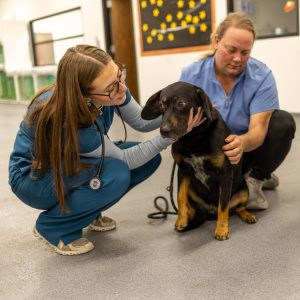
Few things send a pet owner into panic mode faster than realizing their dog ate something they shouldn’t or discovering their cat swallowed something dangerous. Whether it’s a piece of chocolate, a dropped medication, or a missing toy, knowing where to turn can make all the difference. At Herriman Pet Vet & Emergency Hospital, we provide urgent veterinary care for suspected poisoning, swallowed foreign objects, and other ingestion-related emergencies. Our team uses advanced diagnostics, emergency treatments, and surgical capabilities to help pets facing potentially life-threatening situations. When every minute matters, we’re here to evaluate your pet, explain what’s happening, and take appropriate action.
Call the Hospital Now | 801-214-0085 Get Directions
Weekdays 7 AM–9 PM • Weekends 7 AM–7 PM • Not a 24-hour hospital
Immediate Veterinary Care for Pet Poisoning and Toxic Exposure
Pets have a remarkable talent for getting into things they shouldn’t, especially when nobody’s looking. Unfortunately, everyday household products, certain foods, and common outdoor substances can cause serious medical problems when swallowed.
Our emergency veterinary team evaluates suspected toxic exposures and provides treatment based on the substance involved, the amount consumed, and your pet’s symptoms. We focus on identifying potential complications, limiting further toxin absorption when possible, and stabilizing pets experiencing dangerous reactions.
Common Substances That Can Poison Dogs and Cats
Some of the most frequent poisoning concerns involve items you probably have around your house right now.
Potential hazards include:
- Chocolate: Can cause vomiting, abnormal heart rhythms, tremors, and seizures in dogs.
- Xylitol: A sugar substitute found in certain sugar-free gums, candies, and other products that can cause dangerous blood sugar changes in dogs.
- Human medications: Pain relievers, antidepressants, and other prescriptions can cause serious toxic reactions.
- Houseplants: Certain plants, particularly lilies, can be extremely dangerous to cats.
- Rodenticides: Rat and mouse poisons can cause bleeding disorders or other severe complications.
- Household chemicals: Antifreeze, cleaning products, fertilizers, and weed killers may cause poisoning.
- Outdoor substances: Certain mushrooms, cocoa mulch, and decomposing food can contain harmful compounds.
If you suspect your pet swallowed something toxic, contact our hospital immediately. Don’t wait for symptoms to develop, since some poisons can cause internal damage before obvious signs appear.
What If Your Dog Swallowed a Foreign Object?
Sometimes the concern isn’t poison at all. Instead, it’s something that shouldn’t be inside your pet’s digestive system, like a sock, toy, rock, or piece of plastic.
If your dog swallowed a foreign object, the biggest concern is whether it can safely move through the digestive tract. Objects that become lodged in the stomach or intestines can cause blockages, internal injuries, and potentially life-threatening complications.
Common items pets accidentally swallow include:
- Socks, underwear, and small clothing items
- Rubber balls and pieces of chew toys
- Bones, sticks, and rocks
- Hair ties and rubber bands
- Plastic packaging and food wrappers
- Corncobs and other difficult-to-digest food scraps
Our team uses digital X-rays and, when appropriate, ultrasound imaging to investigate suspected obstructions. Depending on the object’s location and your pet’s condition, treatment may involve monitoring, appropriate nonsurgical intervention, or emergency surgery.
Emergency Surgery for Digestive Tract Blockages
When an object cannot pass safely or be retrieved through less invasive methods, surgical removal may be necessary. Our hospital provides emergency surgical procedures, including gastrotomy and enterotomy, to remove foreign material from the stomach or intestines.
We’ll explain the diagnostic findings, discuss the recommended procedure, and review the potential risks before proceeding. Our priority is addressing the obstruction while protecting your pet’s digestive health and overall stability.
Recognizing the Warning Signs of Pet Poisoning
Not every pet develops symptoms immediately after swallowing something harmful. In fact, some animals initially behave normally even when a dangerous substance is already affecting their body.
However, certain symptoms should prompt immediate veterinary attention, including:
- Repeated vomiting or retching
- Excessive drooling or foaming
- Sudden weakness or unusual lethargy
- Abdominal pain or noticeable bloating
- Muscle tremors or seizures
- Difficulty breathing
- Pale gums or sudden collapse
- Loss of appetite or significant behavioral changes
These symptoms can indicate poisoning, a gastrointestinal blockage, or another serious medical condition. If your pet is showing signs of distress, call our veterinary team rather than waiting to see whether the problem resolves.
Specialized Care for Chocolate, Xylitol, and Grape/Raisin Poisoning
Three common household ingredients deserve particular attention because of the serious, potentially life-threatening complications they can cause in dogs.
Chocolate Toxicity for Dogs
Chocolate contains theobromine and caffeine, stimulants that dogs metabolize much more slowly than humans. The level of risk depends on the type of chocolate, the amount consumed, and your dog’s weight.
Dark chocolate and baking chocolate contain significantly higher concentrations of these compounds than milk or white chocolate. If your dog eats chocolate of any kind, contact us right away so we can calculate the exposure and determine whether emergency treatment is necessary.
Xylitol Poisoning in Dogs
Xylitol (sometimes listed on labels as birch sugar) is a common sugar substitute found in sugar-free gum, baked goods, and certain peanut butters. Xylitol poisoning is particularly concerning because it triggers a rapid, dangerous drop in blood glucose (hypoglycemia). In more serious cases, exposure can also cause acute liver failure, seizures, and other life-threatening complications.
Even a seemingly small amount can be toxic, depending on the product and your dog’s size. If you suspect xylitol ingestion, seek veterinary attention immediately—even if your dog appears completely normal.
Grape and Raisin Toxicity in Dogs
Grapes, raisins, sultanas, and currants—whether raw, cooked, or baked into foods like trail mix and breads—can cause sudden, acute kidney failure in dogs. Researchers have linked this toxicity to tartaric acid, though individual sensitivity varies unpredictably from dog to dog.
Because there is no established “safe” dose and even a single grape or raisin can trigger a severe reaction in sensitive dogs, any ingestion is treated as a medical emergency. Early intervention, such as inducing vomiting and starting intravenous fluids, is critical to protecting kidney function before symptoms like vomiting, lethargy, or loss of appetite appear.
What Happens When You Bring Your Pet in for Emergency Treatment?
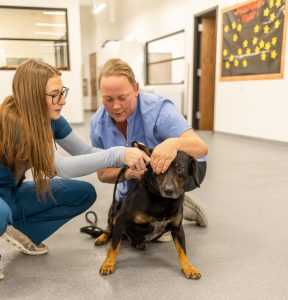
We understand that arriving with a sick or frightened pet can be overwhelming. Our team focuses on quickly assessing their condition, identifying potential causes, and determining which treatments are medically appropriate.
Depending on the situation, emergency care may include:
- Immediate medical triage: Assessing symptoms and identifying life-threatening complications.
- Toxin identification: Reviewing packaging, ingredients, and estimated exposure amounts.
- Induced vomiting: Administered by veterinary professionals only when medically appropriate.
- Activated charcoal: Used for certain toxins to help reduce absorption.
- Antidote administration: Providing specific medications when effective antidotes are available.
- IV fluid therapy: Supporting circulation, hydration, and organ function.
- Diagnostic imaging: Using digital X-rays or ultrasound to investigate swallowed objects.
- Emergency surgery: Removing obstructions that cannot be safely managed through other methods.
Not every poisoning requires the same treatment, and inducing vomiting can be dangerous with certain substances or medical conditions. That’s why we strongly recommend avoiding home remedies unless specifically directed by a veterinarian or animal poison control professional.
Our hospital also provides supportive emergency care for pets experiencing serious reactions. When a patient requires prolonged advanced life support or specialized toxicology treatment beyond our capabilities, we’ll discuss transfer arrangements with an appropriate regional specialty facility.
Local Poisoning Risks for Pets Throughout the Herriman Area
With growing neighborhoods, active families, and plenty of outdoor recreation opportunities, pets throughout southwestern Salt Lake County encounter hazards both inside and outside the home.
Dogs exploring local trails or playing at nearby parks may swallow sticks, rocks, discarded food, or other unfamiliar materials. Meanwhile, residential yards can contain fertilizers, weed killers, rodent bait, mushrooms, and other potentially toxic substances.
Seasonal changes introduce additional concerns, particularly antifreeze exposure during colder months and lawn treatment chemicals during warmer weather.
We proudly serve pet owners from Riverton, South Jordan, Bluffdale, and surrounding communities who need prompt veterinary attention when an unexpected ingestion occurs.
What to Do Immediately If Your Pet Eats Something Dangerous
Your first priority should be preventing further exposure and contacting a veterinary professional. Even if you aren’t sure exactly what your pet swallowed, sharing as much information as possible can help guide the next steps.
If it’s safe to do so, bring the product packaging, ingredient label, or a photograph of the suspected substance. Try to remember approximately when the ingestion occurred and how much your pet may have consumed.
Don’t attempt to make your pet vomit or administer medications without veterinary guidance. If your cat ate string, never pull on any visible string hanging from the mouth or rectum, since doing so could cause serious internal injuries.
Frequently Asked Questions
Contact our veterinary team immediately and explain what your dog may have swallowed. We’ll help determine the urgency of the situation and whether your pet needs emergency examination, diagnostic testing, or treatment.
Symptoms may develop within several hours, although timing varies based on the amount and type of chocolate consumed. Don’t wait for symptoms before contacting a veterinarian, since early treatment can help reduce complications.
Yes, swallowed string can become trapped in the digestive tract and cause serious intestinal damage. Contact our hospital immediately, and never pull on visible string or attempt to induce vomiting at home.
Some small objects may pass naturally, but others can become lodged and cause dangerous blockages. Our team can use diagnostic imaging and a physical examination to determine whether monitoring or surgical treatment is appropriate.
Costs depend on the toxin involved, your pet’s symptoms, and the diagnostics or treatments required. We’ll discuss recommended services and associated expenses after evaluating your pet’s condition.
* ASPCA Animal Poison Control: (888) 426-4435
* Pet Poison Helpline: (855) 764-7661
Both operate 24/7, Consultation fees may apply
When Your Pet’s Safety Is at Risk, We’re Ready to Help
A poisoning emergency or swallowed object can turn an ordinary day into a frightening experience, but you don’t have to figure out what to do on your own. At Herriman Pet Vet & Emergency Hospital, we’re committed to providing prompt evaluations, advanced diagnostic testing, and compassionate emergency treatment when your pet needs immediate attention. Whether your dog got into the medicine cabinet, swallowed a toy, or developed concerning symptoms after exploring outside, our team is here to help. We serve families throughout Herriman and neighboring Salt Lake Valley communities with a focus on clear communication and appropriate medical care. Call now for immediate assistance with a suspected poisoning or foreign body emergency. For non-emergency concerns, contact us to Schedule an Appointment.