

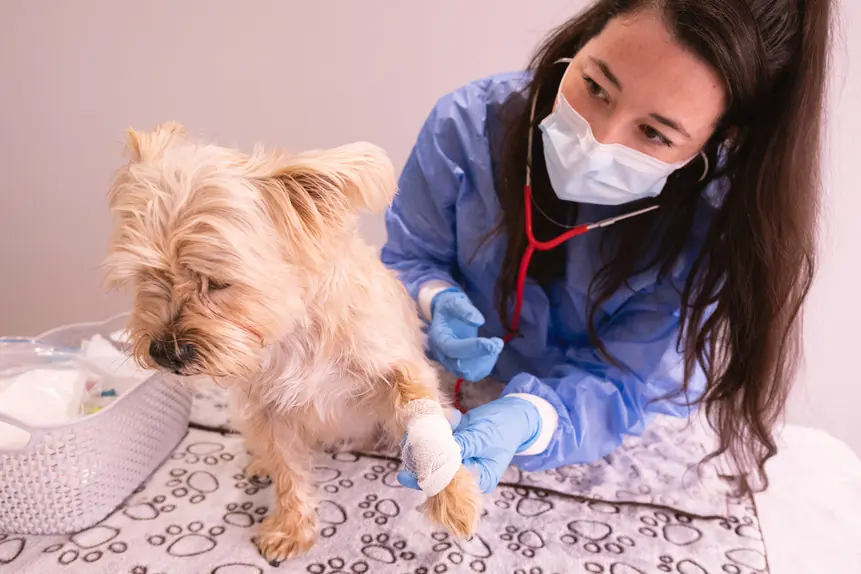
Not every wound is an emergency, but certain changes should prompt immediate veterinary attention.
New World screwworm is a parasitic fly whose larvae feed on living tissue inside wounds or body openings. An infestation can cause extensive damage and may become life-threatening without treatment.
When Should You Seek Veterinary Care?
Don’t delay if your pet has a wound with visible larvae, increasing swelling, a strong odor, bloody discharge, or rapidly worsening tissue damage.
Other warning signs include excessive licking, head shaking, significant discomfort, lethargy, loss of appetite, or unusual irritability.
Do not attempt to remove larvae yourself. Suspected screwworm infestations require veterinary evaluation, appropriate treatment, and notification of animal health officials.
Can Routine Prevention Help?
Year-round flea and tick protection is recommended for dogs and cats. Several products have received FDA authorization for screwworm treatment, although treatment authorization doesn’t necessarily mean a product prevents infestation.
What About Traveling?
Some destinations require additional veterinary paperwork for pets traveling from affected areas. Depending on current rules, this could include a recent examination, Certificate of Veterinary Inspection, electronic documentation, or an entry permit.
California has specific requirements for pets arriving from designated affected areas. Check CDFA’s current guidance before traveling.
Herriman Pet Vet + Emergency Hospital is here to help pet owners recognize concerning symptoms and understand when urgent veterinary attention is needed.
Important Animal Health Resources
Early awareness and reliable information are essential when dealing with emerging parasites. Check the USDA for current screwworm activity, consult the FDA for authorized treatment information, and visit California’s official screwworm resource for travel-related regulations.